
Insta-triggered
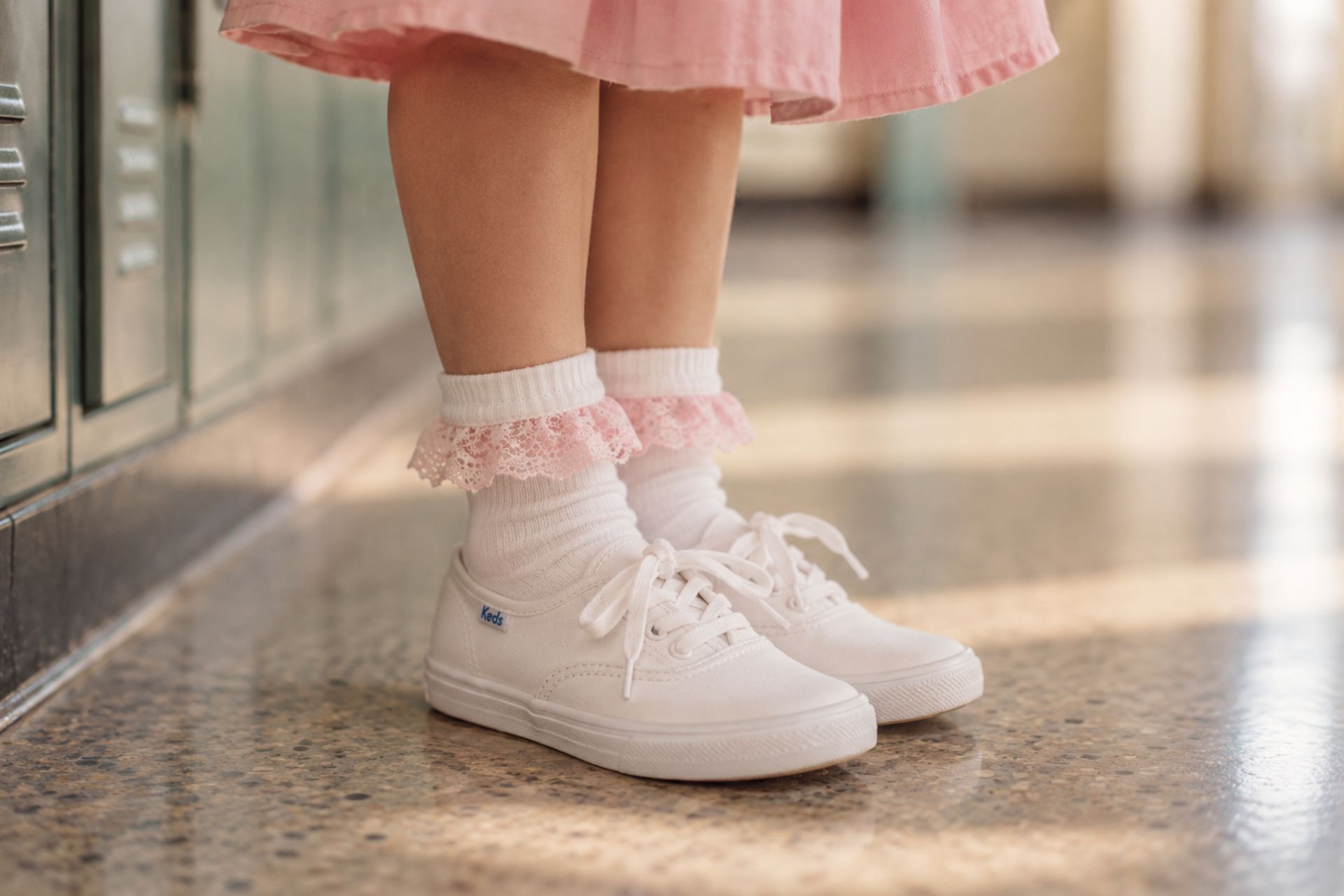
If you’ve known me for a few years or if you happen to follow my professional account on social media you may have noticed something a little unusual.
Until recently, my Instagram contained exactly seven posts. All of them dated sometime around 2022, sitting there quietly like a tiny digital exhibit titled: Kate Briefly Experiments With Social Media and Immediately Becomes Overwhelmed.
That is, until Adriana entered the picture.
Adriana is wonderful and creative and, these days, receives a weekly text message from me containing a handful of photos and the occasional mildly humiliating video. Recently, this included a YouTube short of me making lasagna soup, which I sent with the emotional energy of someone handing over their middle-school diary.
For transparency, Adriana is the one pressing “post.”
The funny part is that outside the social-media context, I’m a confident, skilled, fairly outgoing woman. I speak publicly, teach seminars, consult with other professionals, and generally have no trouble expressing my ideas in rooms full of people.
Put me in front of a hundred clinicians with a microphone and a PowerPoint and I’m perfectly comfortable.
Ask me to post a video of myself stirring soup on the internet, and suddenly my nervous system behaves as though I’m about to be evaluated by a panel of middle-school girls.
So Where Exactly is the Disconnect?
As it turns out, the answer lives somewhere deep in the nervous system of seven-year-old Kate.
It was the first day of second grade, and I was feeling like an absolute beauty queen.
I wore a pink dress. My mom styled my hair into a side ponytail that stuck straight out of my head like a decorative faucet of hair. But the real showstoppers were my white folded socks, topped with delicate pink Chantilly lace, paired with bright white Keds.
I strutted through that school like I was walking a runway.
Trips to the pencil sharpener weren’t errands, they were appearances. An outfit that good was meant to be admired.
And admired it was.
Just…not in the way I expected.
After recess, we lined up to head back into the building when I heard giggling from the line beside me. Three girls were huddled together, staring directly at my socks.
Oh, I thought proudly.
I pointed my toe out to the side. Smiled wide. Flicked my side pony, which immediately swung back into my face.
They laughed harder.
But something about the laughter felt wrong.
It had the same unsettling tone as when a Disney villain begins laughing maniacally through the television. Their faces weren’t smiling back at me. Instead, they twisted into the exact expression I make when my mom serves those string beans I never liked.
Looking back now, I wish I had fired off a clever comeback. Kept my head high. Worn even frillier socks the next day just to prove a point.
But I was seven.
And at that age, the nervous system is quietly collecting information about how the social world works. At the same time, things unfolding in my home life were already wiring a survival strategy into my system, one many sensitive kids develop when their environments feel unpredictable:
Stay small.
Attention isn’t safe.
The girls didn’t stop with the socks. Over the next several years, I became a tiny walking target. Averaging well below the 30th percentile in height, you might think I would have been easy to overlook.
But they saw me.
Learning to Adapt
So, like many children do, I adapted.
I learned to lay low, blend in, and stay quiet. I ate lunch in classrooms instead of the cafeteria. I stayed after school talking with my favorite teachers, playing violin with the orchestra leader, or completing extra-credit assignments no one had technically assigned.
And something interesting began to happen in those quieter spaces.
When it was just me, a few other students, and a teacher, I came alive. I asked questions. Cracked jokes. Created just enough mischief to hover somewhere between endearing and detention.
Without realizing it, I had discovered a loophole.
Achievement offered what psychologists might call structured visibility. There were clear rules, defined roles, and a legitimate reason for attention. When a teacher called on me, the focus wasn’t really on me as a person, it was on the answer I was providing.
My intelligence, creativity, and competence were welcome.
My personal visibility was…less relevant.
And that distinction mattered more than I understood at the time.
High School
Then came sophomore year of high school.
The boy who would become my first love, my high-school sweetheart and eventually my greatest teenage heartbreak sat next to me in English class.
He was extremely well liked. Varsity soccer player. Later voted “Best Smile” in the senior yearbook.
And he saw me.
Actually saw me.
For months he pursued me with a persistence that I initially assumed must be some elaborate prank orchestrated by the popular crowd. Eventually, though, it became clear that he genuinely liked me.
Dating him quietly rearranged my social universe.
Suddenly the mean girls softened. People acknowledged me in the hallways. Invitations to social events appeared where none had existed before.
I had gone from outsider to protected insider mostly by association.
Visibility felt safer.
But not because my nervous system had completely changed.
College
Luckily, high school does not last forever.
When I left for college upstate, I also left behind the mean girls, my hometown, my first love, and the shy version of myself who had learned to survive by staying small.
College offered something remarkable: reinvention.
The social ecosystem reset, and without the old dynamics in place my brain began asking a question I had never really considered before:
It turns out I was outgoing. Still nerdy. Definitely quirky. But confident.
And expressing those parts of myself didn’t lead to ridicule or social exile. Instead, it led to some of the best friendships I still have today.
It felt joyful.
Fast Forward to 2026
I was standing in my kitchen filming that lasagna-soup YouTube short. I adjusted the camera angle, checked the lighting, and tried to make sure my hair looked reasonably presentable.
And then a thought quietly slipped into my mind:
Immediately without warning a tiny image flashed across my brain.
Lace socks.
It turns out the nervous system remembers things long after the adult brain believes it has moved on.
Psychology has a helpful way of explaining this. As children, we don’t just learn facts about the world, we learn rules about how visibility works.
Some kids learn that attention leads to connection, praise, maybe even admiration.
Other kids learn something slightly different.
They learn that attention can also mean ridicule, exclusion, or becoming the easiest target in the room. When that happens, the nervous system quietly writes an instruction manual:
Observe.
Stay safe.
I did eventually unlearn the rule that being seen was dangerous. College helped with that. So did good friends, good mentors, and a career where speaking up was not only welcomed but expected.
Over time, I learned to be visible in rooms with context, relationships, shared purpose, and a clear reason for attention.
Social media, however, is something else entirely.
There’s no classroom. No professional role. No shared conversation framing the moment.
It’s simply you, a camera, and a vast, unpredictable audience that if we’re being honest, sometimes resembles a very large middle-school cafeteria.
Unclear hierarchy.
Plenty of opportunity for judgment.
So while my adult brain understands that sharing ideas online is simply another way of contributing to a conversation, some ancient seven-year-old part of my nervous system still believes she’s standing in line after recess, showing off lace socks.
Which, I suspect, is also why Adriana presses the post button for me.
And that might tell you everything you need to know.
These days, I’m slowly rewriting the rule my nervous system learned all those years ago the one that said being seen was dangerous.
Because the truth is, the socks were never actually the problem.
The problem was believing that being seen meant there was something wrong with me.
And if a belief can be learned, it can also be unlearned.
One post at a time.
